Fixing a Flat Tire with Flat Tire Roadside Help
Getting a flat tire can be frustrating and stressful, especially when you're on the road and far from help. I’ve been there myself, and I know how important it is to stay calm and know what to do next. Whether you want to fix the tire yourself or call for help, having a clear plan can make all the difference. In this post, I’ll walk you through the steps to handle a flat tire safely and effectively, including when and how to use roadside assistance.
Understanding Flat Tire Roadside Help
When your tire goes flat, the first thing to do is find a safe spot to pull over. Look for a wide shoulder or a parking lot where you can stop without blocking traffic. Turn on your hazard lights to alert other drivers. Safety is the top priority.
Once you’re safely off the road, assess the situation. If you have a spare tire, jack, and lug wrench in your car, you might be able to change the tire yourself. However, if you don’t feel comfortable or don’t have the right tools, calling for professional help is the best option.
Flat tire roadside help services are designed to get you back on the road quickly and safely. They can come to your location, change the tire, or tow your vehicle if needed. Knowing how to contact them and what to expect can save you time and stress.

How to Change a Flat Tire Step-by-Step
If you decide to change the tire yourself, follow these clear steps. Make sure you have all the necessary tools before you start.
Prepare Your Vehicle
Park on a flat, stable surface.
Engage the parking brake.
Place wheel wedges or blocks behind the tires to prevent rolling.
Remove the Hubcap or Wheel Cover
Use a flat tool or the edge of the lug wrench to pry off the hubcap if your tire has one.
Loosen the Lug Nuts
Turn the lug nuts counterclockwise with the lug wrench. Don’t remove them completely yet; just break the initial tightness.
Lift the Vehicle with the Jack
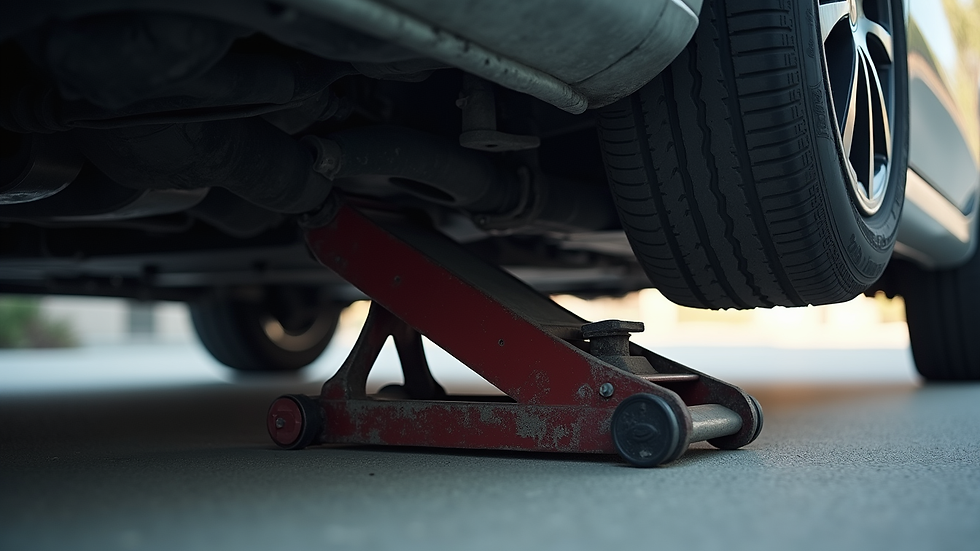
Position the jack under the vehicle’s frame near the flat tire. Consult your owner’s manual for the exact jack point. Raise the car until the flat tire is off the ground.
Remove the Lug Nuts and Tire
Now fully unscrew the lug nuts and carefully pull the tire off.
Mount the Spare Tire
Align the spare tire with the lug bolts and push it onto the hub.
Tighten the Lug Nuts by Hand
Screw the lug nuts back on by hand as much as possible.
Lower the Vehicle and Tighten Lug Nuts
Use the jack to lower the car back to the ground. Then tighten the lug nuts firmly in a star pattern to ensure even pressure.
Replace the Hubcap
If applicable, put the hubcap back on.
10. Check the Spare Tire Pressure
Make sure the spare tire is properly inflated before driving.
Changing a tire can take 15 to 30 minutes depending on your experience and conditions. Always work carefully and avoid rushing.
Should You Use Roadside Assistance for a Flat Tire?
Sometimes, changing a tire yourself isn’t the best choice. Here are some reasons to consider calling for professional help:
No Spare Tire or Tools: Many newer cars don’t come with a spare tire or the necessary tools.
Unsafe Location: If you’re on a busy highway or in a poorly lit area, it’s safer to wait for help.
Physical Limitations: Changing a tire requires some strength and mobility. If you’re injured or unable, roadside assistance is a better option.
Bad Weather: Rain, snow, or extreme heat can make the process dangerous or uncomfortable.
Time Constraints: If you’re in a hurry or unfamiliar with the process, professionals can save you time.
Calling for roadside assistance for flat tire means trained technicians will come to your location quickly. They have the right equipment and experience to handle the situation safely. Plus, they can inspect your vehicle for any other issues before you hit the road again.
What to Expect When You Call for Roadside Help
When you contact a roadside assistance provider, here’s what usually happens:
Provide Your Location: Be as specific as possible. Use landmarks, mile markers, or GPS coordinates if you can.
Describe the Problem: Let them know you have a flat tire and whether you have a spare.
Wait Safely: Stay inside your vehicle if it’s safe, or wait in a secure area nearby.
Technician Arrival: The technician will arrive with tools and a replacement tire or tow truck if needed.
Tire Change or Tow: They will either change the tire on the spot or tow your vehicle to a nearby repair shop.
Payment and Documentation: Some services are prepaid or included in insurance plans. Otherwise, be ready to pay or provide membership details.
Having a roadside assistance plan can give you peace of mind. It’s a reliable backup when you can’t fix the problem yourself.
Tips to Prevent Flat Tires and Stay Prepared
While flat tires can happen unexpectedly, there are ways to reduce the risk and be ready if it does occur.
Regular Tire Inspections: Check your tires for wear, cracks, or embedded objects.
Maintain Proper Tire Pressure: Use a gauge to keep tires inflated to the recommended level.
Rotate Tires Regularly: This helps even out wear and extends tire life.
Avoid Road Hazards: Watch for potholes, debris, and sharp objects on the road.
Keep a Tire Repair Kit: Include a jack, lug wrench, spare tire, and tire inflator or sealant.
Know Your Vehicle’s Jack Points: Familiarize yourself with the owner’s manual.
Have Emergency Contacts Ready: Save your roadside assistance number in your phone.
Being proactive can save you time and stress later.
Staying Calm and Safe During a Flat Tire Emergency
A flat tire can feel overwhelming, but staying calm is key. Here are some final reminders:
Always prioritize your safety and the safety of passengers.
Use hazard lights and reflective triangles if you have them.
Avoid standing near traffic while changing a tire.
If you feel unsafe or unsure, don’t hesitate to call for professional help.
Keep your phone charged and ready for emergencies.
Remember, help is available, and you don’t have to face a flat tire alone.
By understanding how to handle a flat tire and when to call for help, you can turn a stressful situation into a manageable one. Whether you fix it yourself or rely on roadside assistance, being prepared and informed makes all the difference. Stay safe out there!


Comments